A Comparison of Light
Our night skies feature a stunning array of colors, lights, and distinctive features, not all of which are Aurora. We’re developing this guide to help you understand what you will see under the night sky, and to provide tips and tools for identifying what you find.
Check back soon for updates.
Light You May Find in the Night Sky
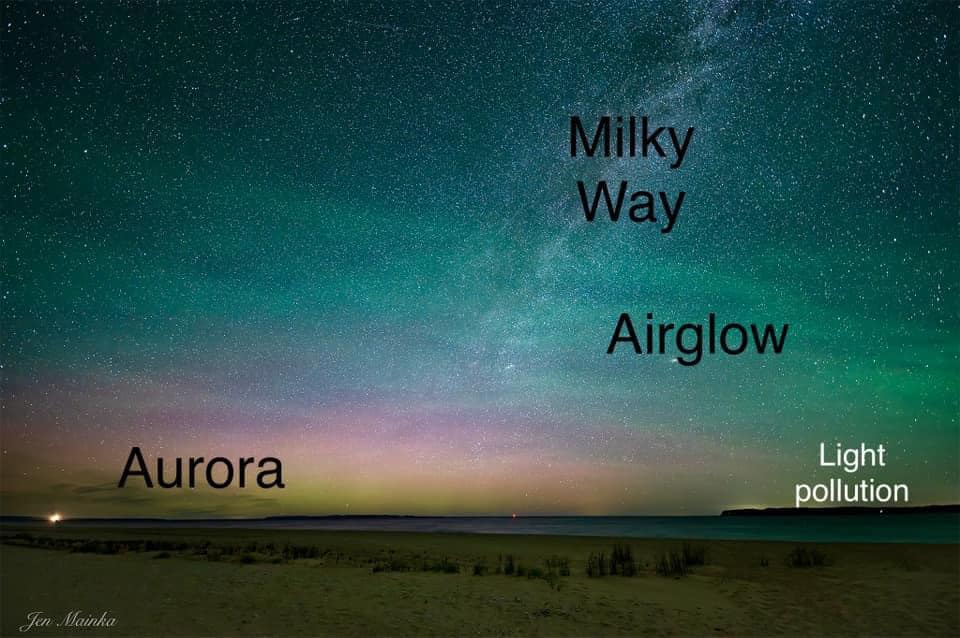
Sky watchers, star gazers and aurora chasers enjoy more sightings than many people realize, when they devote long hours to admiring the sky at night. In addition to the Northern Lights (Aurora Borealis) and the Southern Lights (Aurora Australis,) there are many formations of Aurora and types of sub-auroral arcs. Then, there are the countless others sources of light and color you may see when darkness falls.
Below is just a sampling of sources of light, color and forms at night:
Natural Phenomena and Light Sources
- Airglow
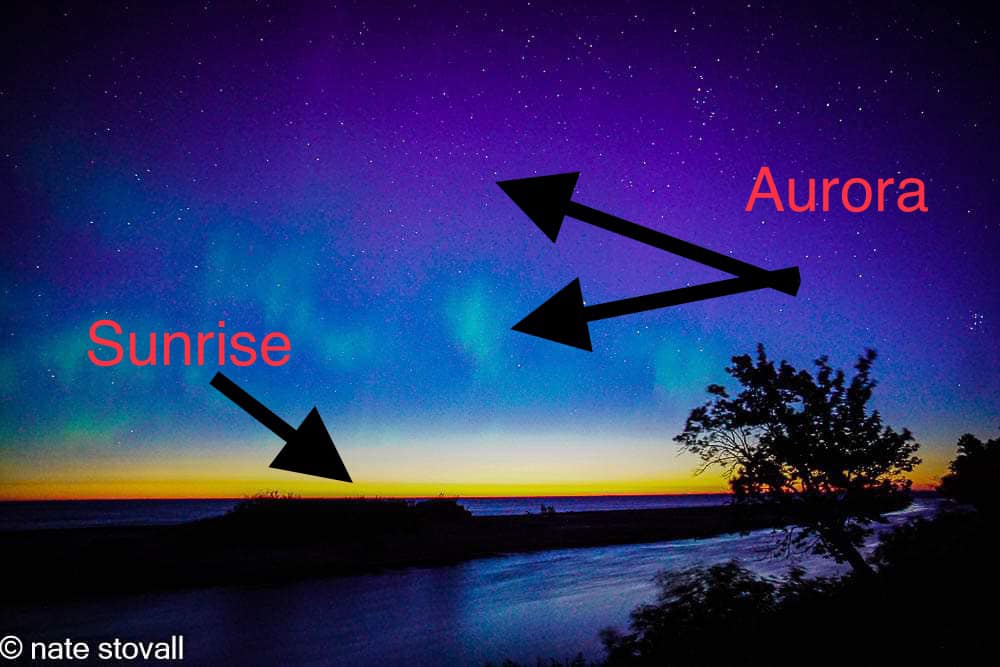
- The beautiful colors of twilight
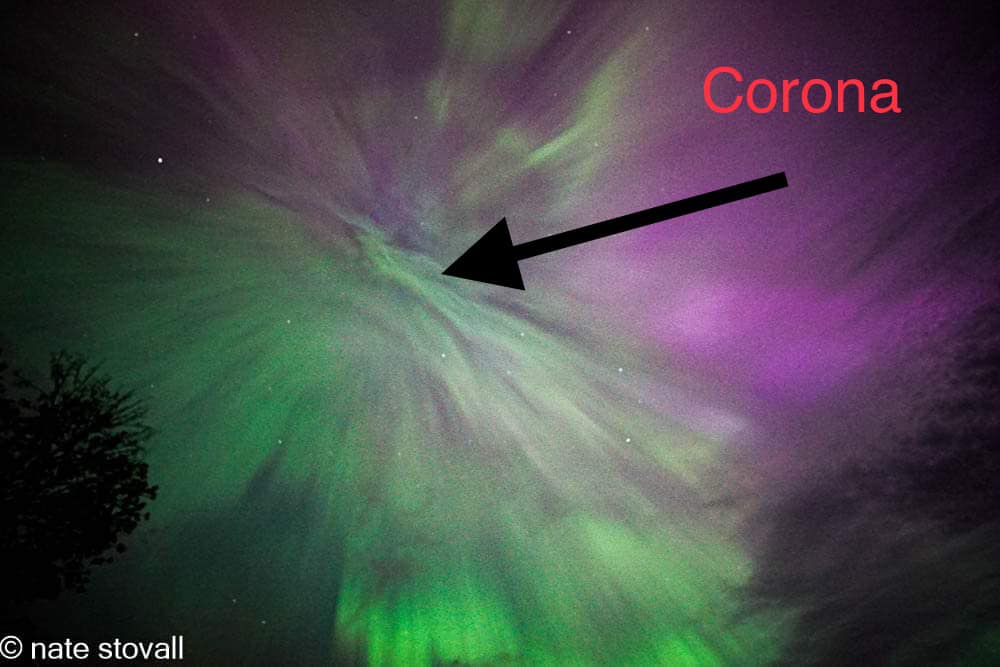
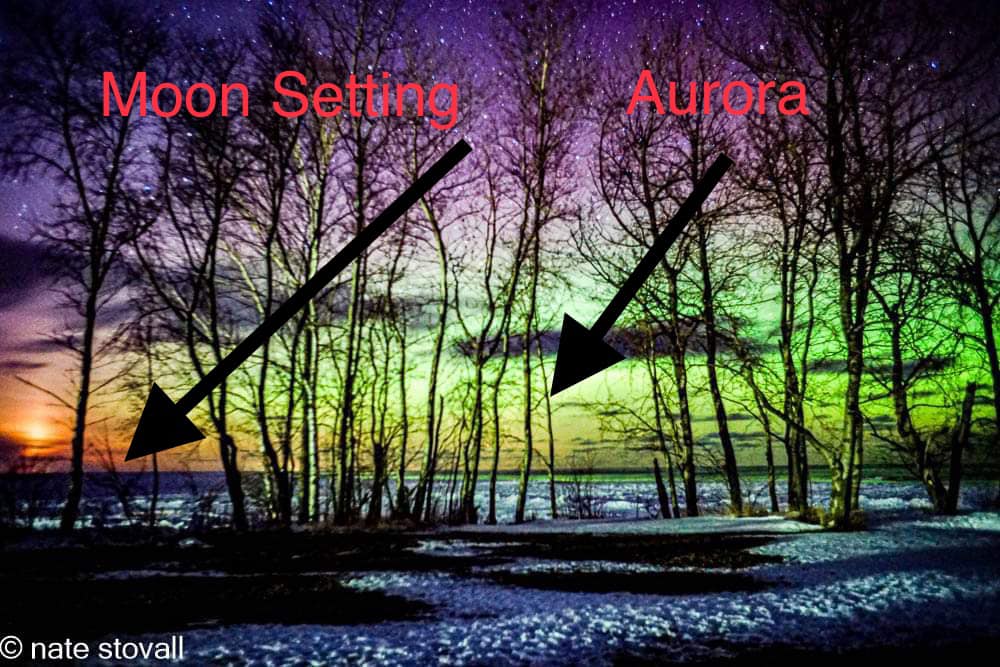
- Northern Lights or Aurora
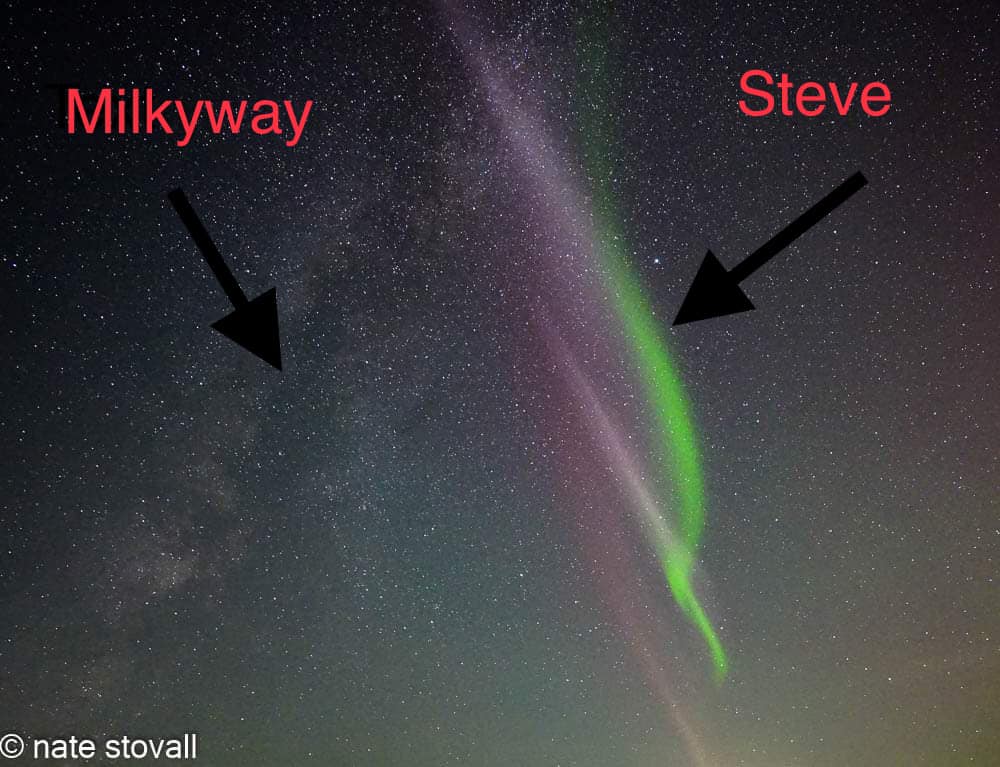
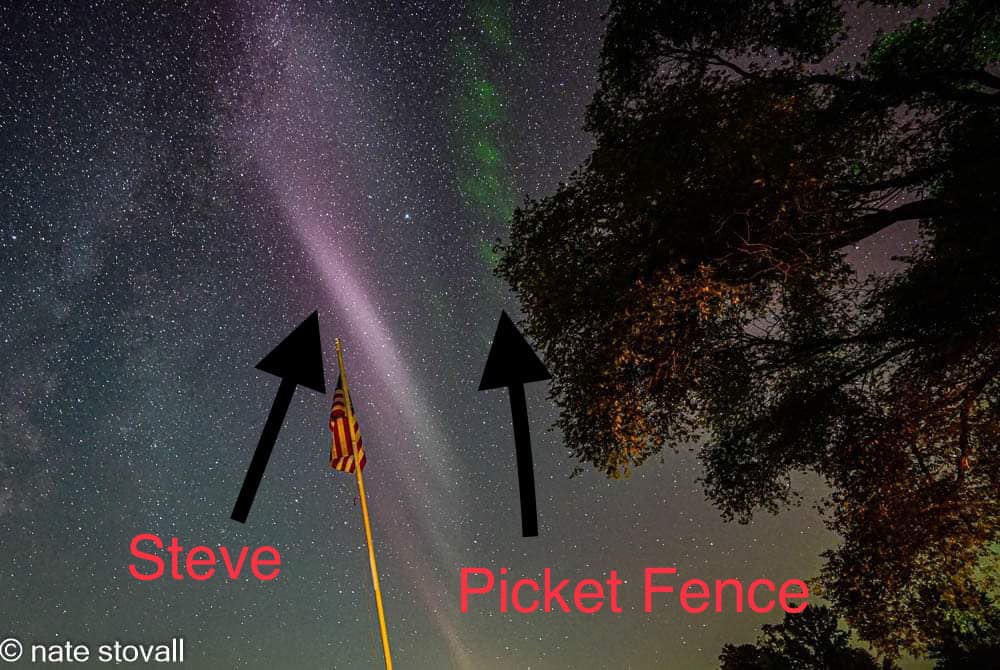
- S.T.E.V.E., the sub-auroral arc
- The “Picket Fence” sub-auroral phenomenon
- S.A.R. sub-auroral arc
- The Milky Way galaxy and core
- Fireballs, comets, meteor showers, “shooting stars” and more
- More coming soon
Human-Created Sources of Light
- Light pollution (artificial light created by humans)
- Reflection of artificial light on the bottom of clouds
- Green houses or grow house light
- StarLink: A very common occurrence of a train of dozens of satellites, often launched 42 at a time to create 5G Internet
- More
A Visual Comparison
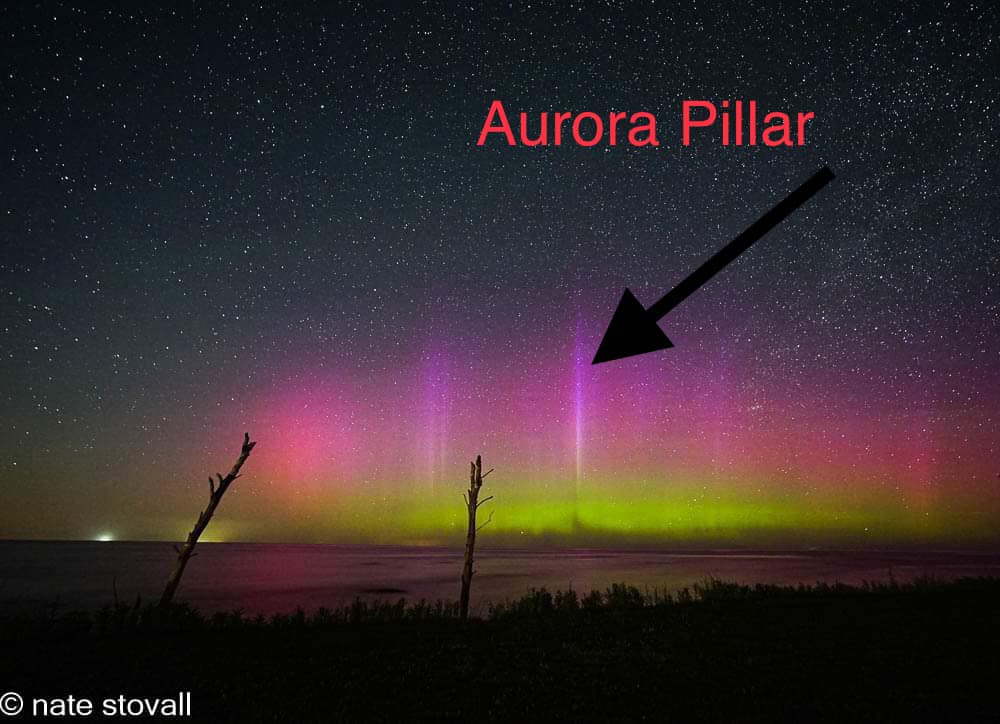
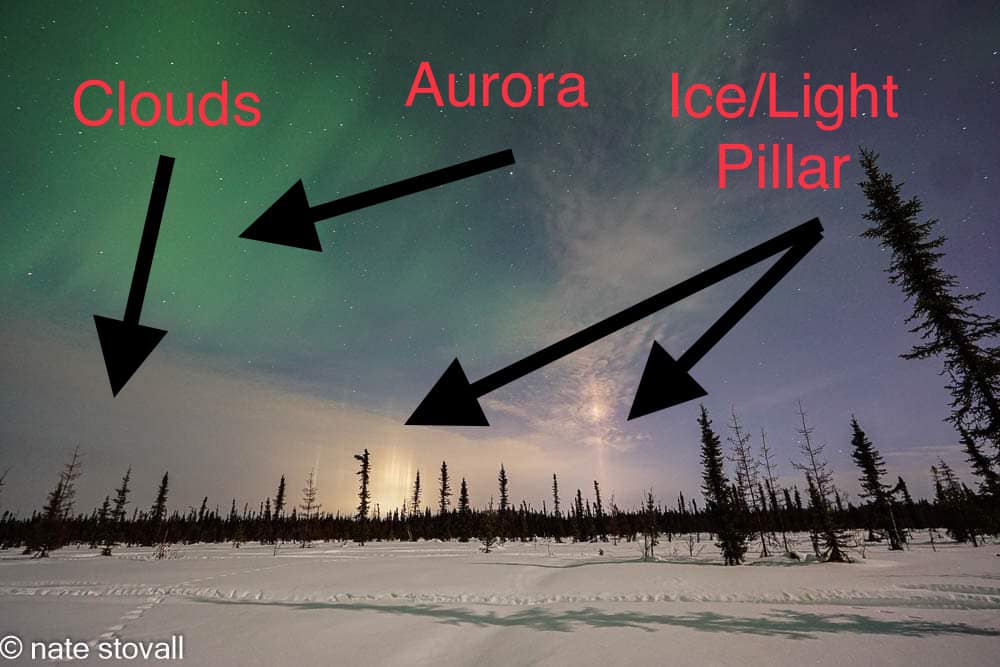
Have you ever seen a Ice Pillar (aka Light Pillar) or a Picket Fence? Our night sky is filled with amazing exotic physics.
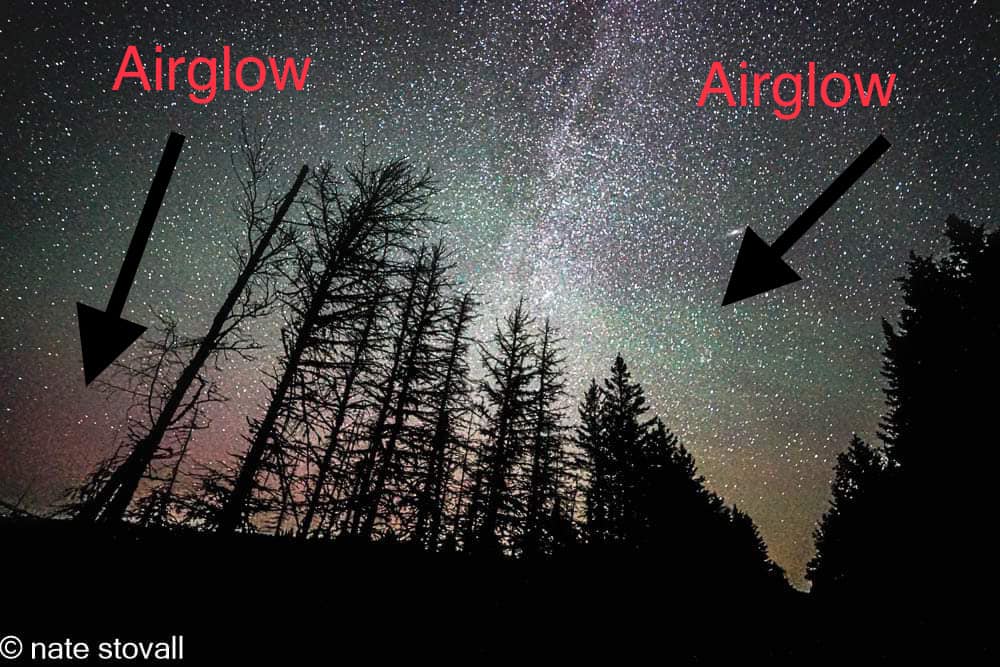
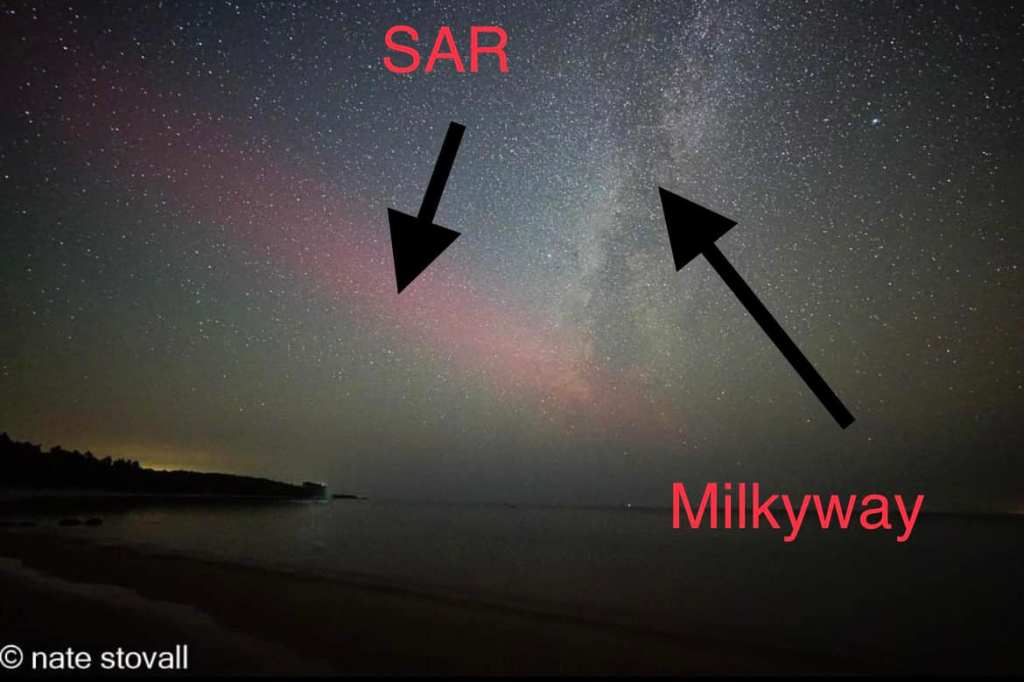
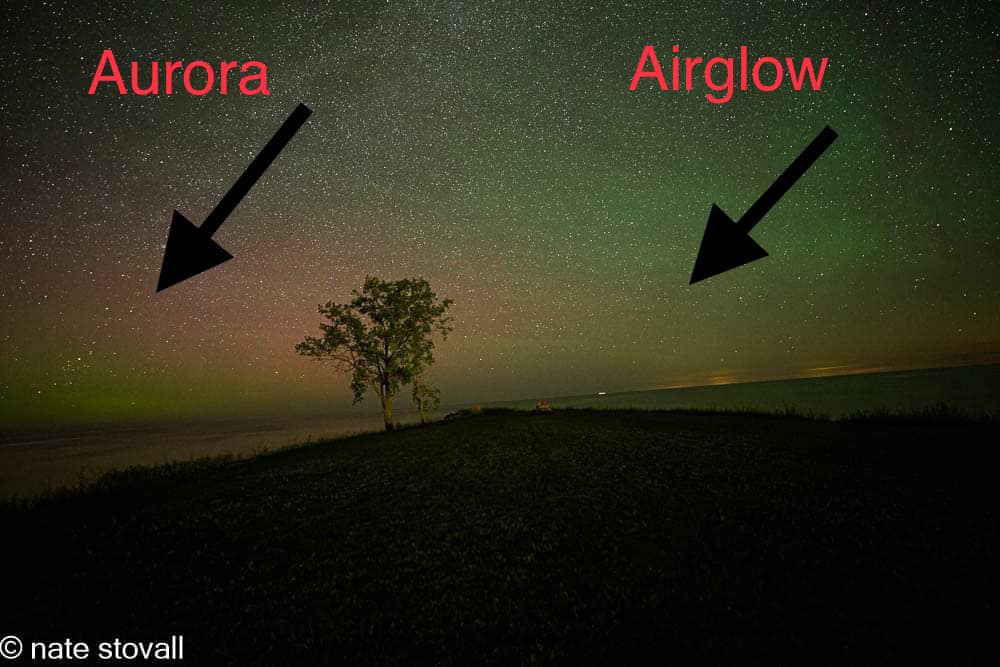
This series by Admin and Group Expert Nate Stovall provides a visual reference representing the terminology we use when speaking about the Aurora and her companions in the night sky. Hopefully, it helps to identify the difference between Aurora vs. Airglow and Steve vs. an Aurora Pillar.
Fun Facts:
- Aurora can’t be seen directly through the clouds
- Light pollution from cities/towns can be seen from hundreds of miles away
- Airglow can often be green and red leading to Aurora confusion
- S.T.E.V.E. sub-auroral arcs aren’t combined within the Aurora structure to the north. In most conditions, S.T.E.V.E. appears in the west-southwest sky separate from Aurora.
- The S.A.R. Arc is often only or mostly visible on camera, and it can be seen in other parts of the sky such as due west
Articles Where You Can Learn More
STEVE, the sub-auroral arc:
“That Weird, Aurora-Like Phenomenon Called STEVE Finally Has an Explanation” | 2019 | Space.com
“ Aurora-like ‘Steve’ phenomenon and glowing ‘picket fences’ point to unknown exotic physics” | 2023 | Space.com
Airglow:
“Why NASA Watches Airglow, the Colors of the (Upper Atmospheric) Wind” | 2018 | NASA
“What is airglow? This glowing light is not an aurora” | 2023 | EarthSky
Twilight:
“Do you love twilight? The 3 stages explained” | 2024 | EarthSky
More Resources Coming Soon! Last updated October 7, 2024.
 Michigan Aurora Chasers